A tree touching a power line isn’t just a nuisance — it’s a genuine hazard that can cause outages, spark fires and, in the worst cases, kill someone. Many homeowners assume the lines company deals with all of it, but under New Zealand’s rules a significant share of the responsibility sits with the tree owner. Here’s how it works, without the legal jargon.
The regulations in plain English
Trees near the network are governed by the Electricity (Hazards from Trees) Regulations. In simple terms, these set out minimum clearances that trees must keep from power lines, and they place the obligation to maintain that clearance largely on the tree’s owner. The lines company defines a growth-limit zone around its conductors; keeping your tree out of that zone is generally your responsibility once you’ve been notified.
Where your responsibility begins
If a tree on your property is growing towards the lines, you’ll usually receive a notice — often called a "cut or trim" notice — from the lines company. The first cut is frequently arranged at no cost to you, but keeping the tree clear from then on typically becomes your responsibility. Ignore it and you can be held liable if the tree causes an outage or damage, so a notice is not something to file in the bin.
Why the clearances matter
The clearance rules exist for real reasons, not red tape:
- A branch bridging a line can trip the supply and black out your street
- Contact between vegetation and conductors is a known cause of fires, especially in dry, windy spells
- A wind-thrown limb can bring live lines down into a garden or across a road
- Electricity can arc across a gap — a tree doesn’t have to be touching a line to be dangerous
Never cut near live lines yourself
This is the part we can’t stress enough: never attempt tree work near live power lines yourself, and never let an unqualified operator do it. Electricity can jump from a conductor to a nearby branch, tool or person, and every year people are seriously injured or killed doing exactly this. It is not a DIY job, and it’s not a job for a general tree cutter without the specific training and authorisation.
How line-clearance pruning works
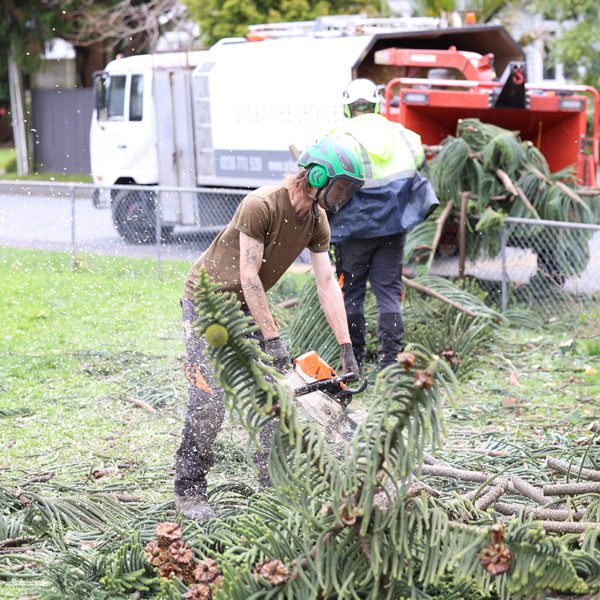
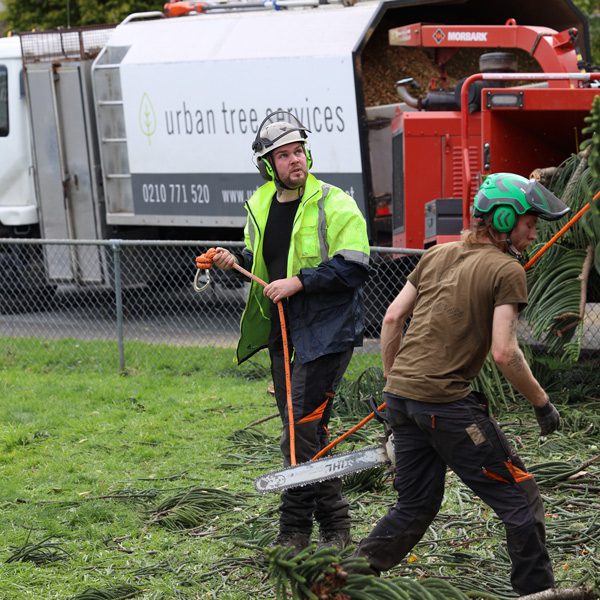
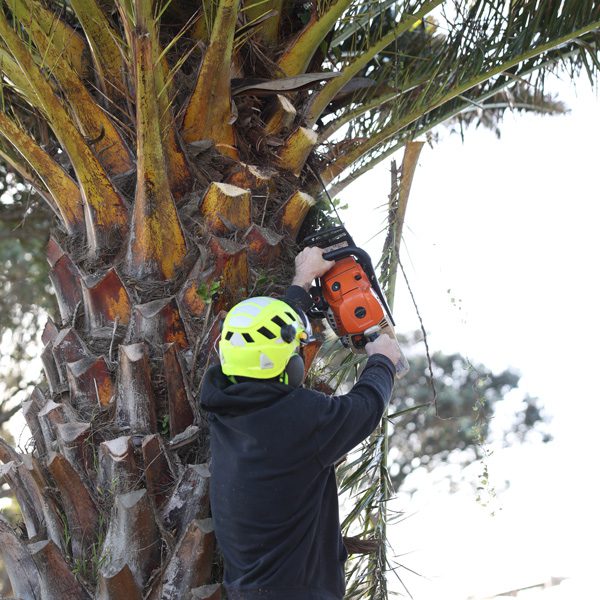
Working safely near the network takes qualified arborists, the right approach for the voltage involved, and coordination with the lines company where the work is close to live conductors. As qualified arborists trusted by Wellington city councils and national agencies, we handle vegetation near lines the right way — keeping your tree healthy and its shape natural while bringing it back to a safe, compliant clearance. If you’ve had a notice from your lines company, or you’re simply worried about a tree near the wires, don’t take the risk. Call us on 027 203 1446 or request a free quote online.